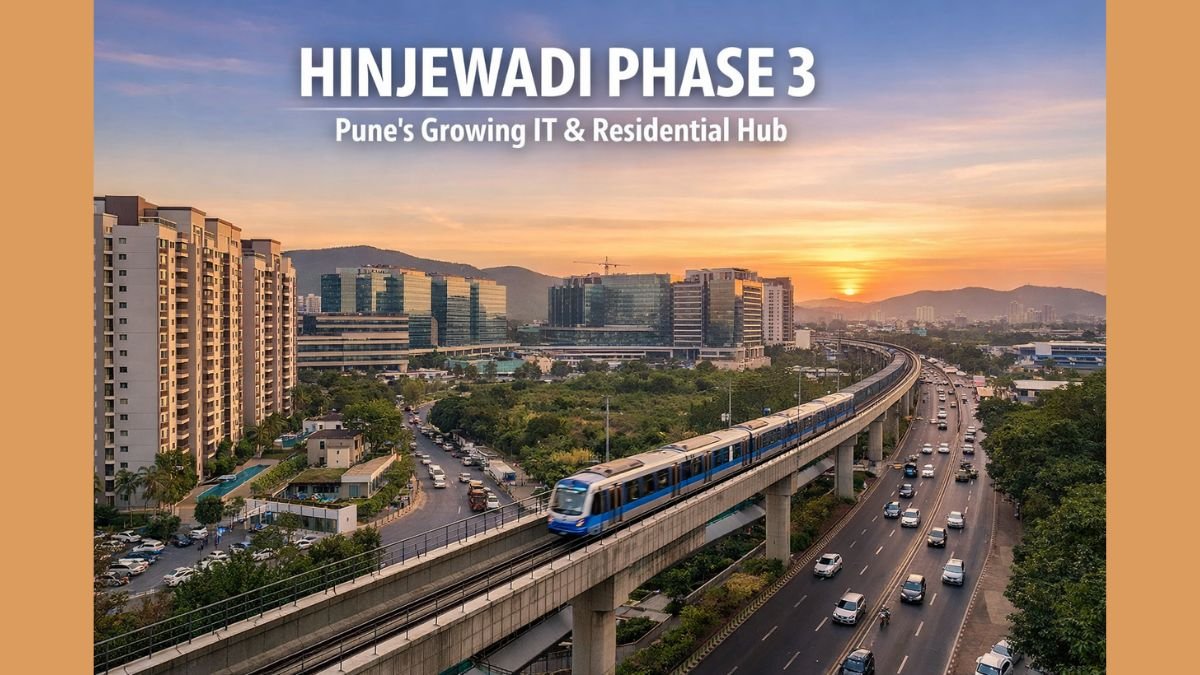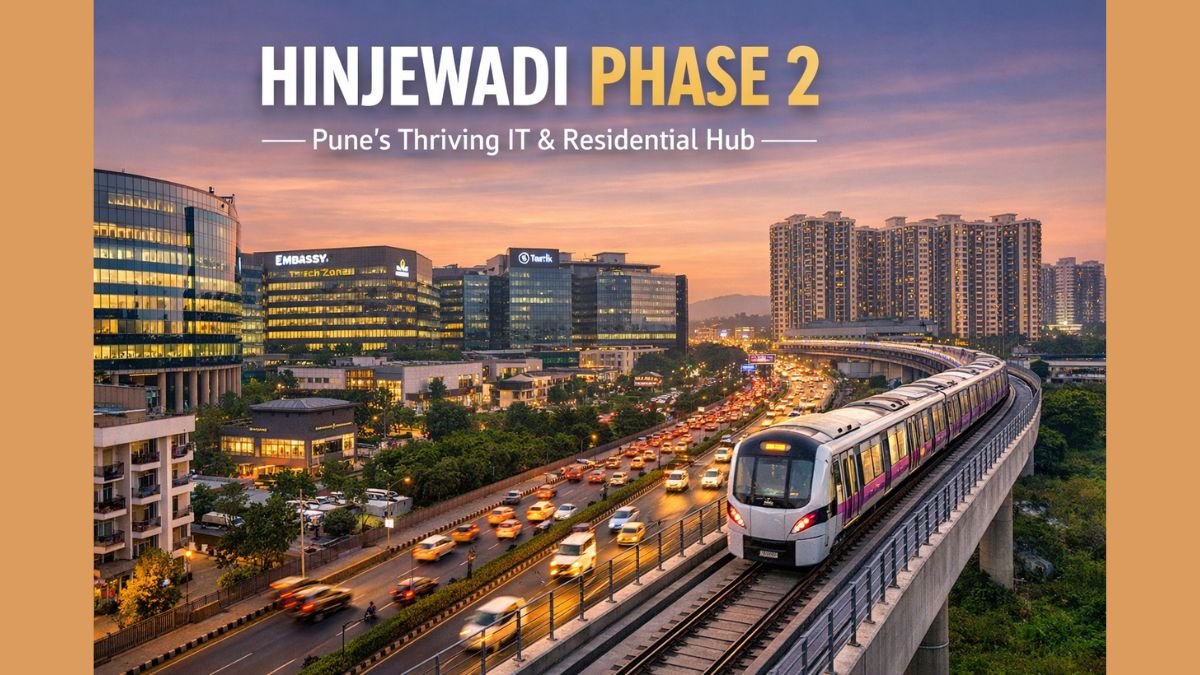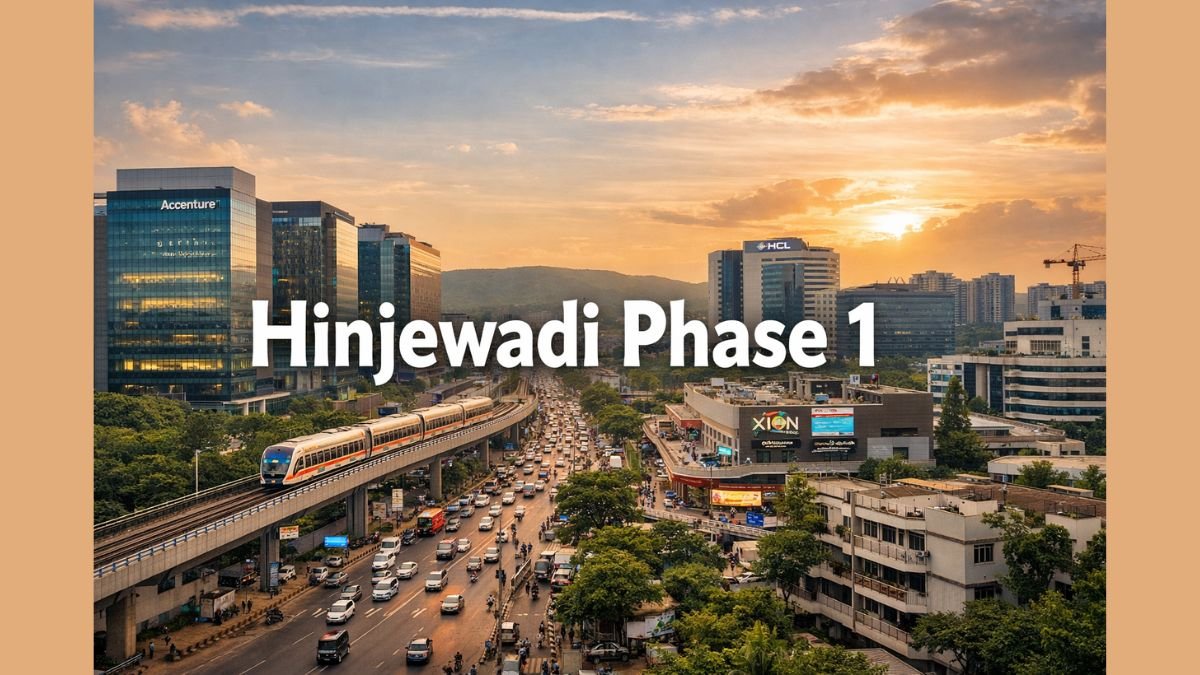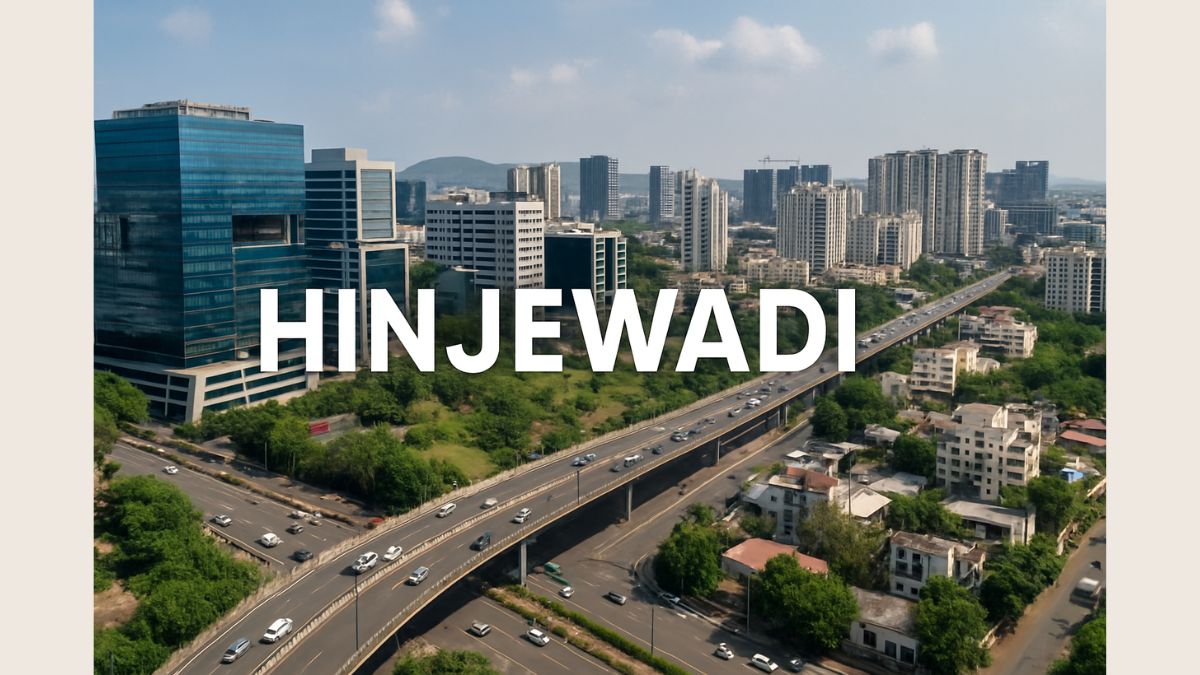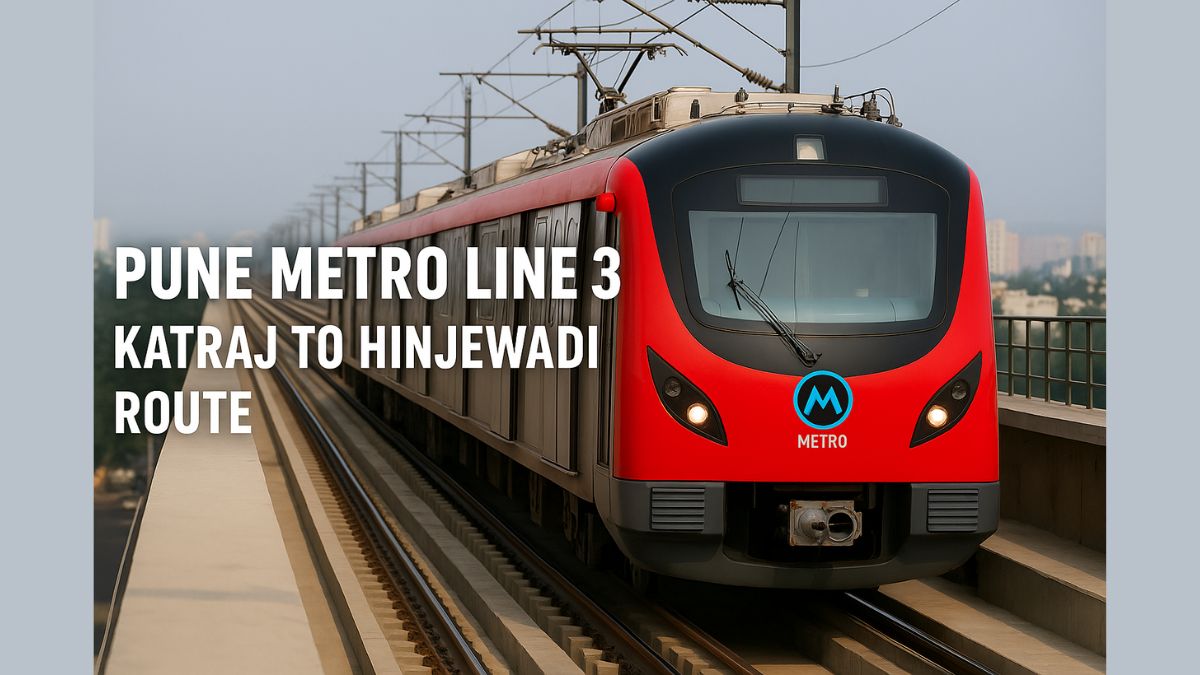
- First Trial Run on Ganesh Chaturthi
- What the Hinjewadi Metro Project Means
- Project Background
- Key Features of Hinjewadi Metro
- Why Hinjawadi Metro is Important
- Details of the Trial Run
- Timeline of the Project
- Train and Passenger Facilities
- Expected Benefits for Hinjewadi and Pune
- Connection with Other Metro Lines
- Cultural Significance of the Trial Run
- Challenges Faced
- Future Outlook
- FAQs About Hinjewadi Metro
- Related Posts
Hinjewadi Metro: Pune’s New Lifeline Connecting IT Hub to Shivajinagar
First Trial Run on Ganesh Chaturthi
On the day of Ganesh Chaturthi, the city of Pune witnessed an important milestone. The Hinjewadi Metro, also known as Hinjawadi Metro, carried out its first successful trial run beyond the depot. The trial was conducted between Maan Depot and Balewadi Stadium (Station No. 10).
This was the first time the metro train moved outside the depot and entered the main alignment of the route. Engineers, technicians, and metro officials monitored every detail, from speed to signaling, making sure the trial went as planned.
The festive occasion added to the celebration, as the event symbolized not just cultural joy but also Pune’s progress in modern transport.
What the Hinjewadi Metro Project Means
The Hinjewadi–Shivajinagar Metro Line (Line 3) is one of Pune’s most important infrastructure projects. Once fully operational, it will cover a stretch of 23.3 km with 23 stations. This line will connect the busy IT hub of Hinjewadi with Shivajinagar, which is part of the city’s central business district.
For lakhs of IT employees, students, and residents traveling daily between Hinjewadi and other parts of Pune, the metro will become a game-changer. Currently, most people rely on buses, cabs, bikes, or private cars, which adds to traffic jams. With the Hinjawadi Metro, travel will be faster, safer, and less stressful.
Project Background
The Hinjewadi Metro is not like Pune Metro’s other routes. It is being developed as a Public-Private Partnership (PPP) project under the Pune Metropolitan Region Development Authority (PMRDA).
The consortium responsible includes Tata Group’s TRIL Urban Transport Private Limited (TUTPL) and Siemens Project Ventures GmbH. Together, they formed a special purpose vehicle (SPV) called Pune IT City Metro Rail Limited (PITCMRL).
The project follows the DBFOT model – Design, Build, Finance, Operate, and Transfer. The concession period is 35 years, which includes the construction phase. This makes the Hinjawadi Metro one of India’s few metro lines being built and operated through private sector participation.
Key Features of Hinjewadi Metro
The metro line is designed with modern engineering standards, making sure it matches global benchmarks.
Here are some highlights:
| Feature | Details |
|---|---|
| Total Length | 23.3 km |
| Number of Stations | 23 |
| Route | Hinjewadi Phase III to Shivajinagar |
| Type | Elevated Metro |
| Model | Public-Private Partnership (PPP) |
| Train Speed | Up to 85 km/h |
| Train Capacity | Around 1,000 passengers per trip |
| Power Supply | 750 V DC third rail system |
| Operator | Pune IT City Metro Rail Limited (PITCMRL) |
| Expected Opening | Partial operations by September 2025, full by March 2026 |
Why Hinjawadi Metro is Important
1. Relief from Traffic Jams
Anyone who has traveled on Hinjawadi IT Park roads knows how bad traffic can get, especially during peak hours. Thousands of vehicles enter and leave the IT zone daily, creating long queues and delays. The Hinjawadi Metro will directly reduce the number of vehicles on the road, saving time for commuters.
2. Better Connectivity
The route has been carefully planned. It will link Hinjewadi with Shivajinagar, passing through important residential and commercial areas like Wakad, Balewadi, Aundh, and Baner. This means people won’t just use it for office travel but also for shopping, education, and daily needs.
3. Eco-Friendly Travel
With more people using metro trains instead of cars or bikes, Pune can reduce air pollution and carbon emissions. The trains are designed to be energy-efficient and environment-friendly.
4. Boost to Pune’s Growth
The Hinjawadi Metro will also help in Pune’s overall growth. Areas around metro stations usually see better development, new businesses, and rising property value. For residents and investors, this project brings both comfort and opportunity.
Details of the Trial Run
During the Ganesh Chaturthi trial, the metro train started from Maan Depot and reached Balewadi Stadium station. The distance covered was around 5 km. The train speed during the trial was limited to 40 km/h, even though trains can run at 80–85 km/h once fully operational.
Officials confirmed that all major systems like signaling, braking, and track alignment performed smoothly. The trial proved that the project is moving closer to completion.
More trial runs will follow in the coming months, covering longer stretches of the route. Each test ensures safety and reliability before the metro can carry passengers.
Timeline of the Project
- Project Start: 25 November 2021
- Trial Runs Begin: September 2024 (first within depot)
- First Trial Outside Depot: Ganesh Chaturthi 2024
- Partial Operations Expected: September 2025
- Full Operations Expected: March 2026
At present, the project is said to be 90% complete, with work in the final stage at many stations and on sections of the viaduct.
Train and Passenger Facilities
The Hinjewadi Metro trains are being built with passenger comfort in mind.
- Each train has three air-conditioned coaches.
- Seating and standing areas are designed to carry about 1,000 passengers per trip.
- Trains can run at up to 85 km/h, but the average speed will be lower for safety.
- Modern safety features like CCTV cameras, fire safety systems, and automatic doors will be standard.
This setup ensures passengers enjoy safe, quick, and comfortable rides daily.
Expected Benefits for Hinjewadi and Pune
Time-Saving Travel
Currently, traveling from Hinjawadi to Shivajinagar can take over an hour by road during peak traffic. With the metro, the same trip is expected to take 25–30 minutes.
Reduced Dependence on Cars
The metro will encourage people to use public transport instead of private cars and bikes, reducing parking pressure in the city.
Job Opportunities
The project has already created many jobs in construction, engineering, and operations. Once running, the metro will provide permanent employment for maintenance, station management, and customer service.
Improved Quality of Life
With less time wasted in traffic, people will have more time for family, work, and personal life. Cleaner air and fewer vehicles will also improve living standards in Pune.
Connection with Other Metro Lines
The Hinjewadi Metro Line 3 will connect with Pune Metro’s other lines at the Civil Court interchange station. This will allow smooth travel across the city without needing to switch to road transport.
This integration is key for Pune’s long-term transport plan, making public transport more reliable and efficient.
Cultural Significance of the Trial Run
That the first extended trial run happened on Ganesh Chaturthi is not just a coincidence. Pune celebrates Ganesh Utsav with deep devotion, and this event added symbolic value. Citizens saw it as a sign of good luck and progress for the city.
Infrastructure growth and cultural traditions came together on that day, showing how Pune is moving forward while respecting its heritage.
Challenges Faced
Like all big projects, the Hinjewadi Metro faced challenges:
- Land acquisition delays in some areas.
- Construction disruptions due to heavy traffic zones.
- Coordination issues between different agencies.
- High costs of building elevated corridors in urban zones.
Despite this, the project team has managed to keep progress steady, with trial runs now proving that operations are near.
Future Outlook
Once the Hinjewadi Metro is operational, Pune will join the league of cities with multiple active metro corridors. It will change the way people move within the city, especially those traveling daily to Hinjewadi’s IT parks.
Planned completion by March 2026 means the city is just months away from enjoying the full benefits. With metro services, Pune’s transport system will be safer, faster, and more environment-friendly.
FAQs About Hinjewadi Metro
Q1. When will the Hinjewadi Metro start?
Partial operations are expected in September 2025, with full service likely by March 2026.
Q2. How many stations are planned on the Hinjewadi Metro route?
There will be 23 stations between Hinjewadi Phase III and Shivajinagar.
Q3. How long is the Hinjewadi Metro line?
The line is about 23.3 km long, fully elevated.
Q4. Who is building and operating the Hinjewadi Metro?
It is being developed under PMRDA by PITCMRL, a joint venture of Tata Group’s TUTPL and Siemens Project Ventures.
Q5. How many passengers can one train carry?
Each train can carry around 1,000 passengers, with three air-conditioned coaches.
Q6. What benefit will it bring to Hinjewadi IT employees?
It will save travel time, reduce stress from traffic, and offer a safe, reliable daily commute.
The Hinjewadi Metro (Hinjawadi Metro) is not just another transport project. It is a lifeline for thousands of IT professionals, students, and residents who spend hours stuck in traffic every day. With modern facilities, eco-friendly design, and faster travel, this metro line will reshape how Pune moves.
The successful trial run on Ganesh Chaturthi has boosted public confidence that the project is on track. If everything goes as planned, within the next year and a half, Pune will enjoy smooth, modern, and sustainable metro travel from Hinjewadi to Shivajinagar.
To check more about Hinjewadi, Click Here.

Hi, I’m Rohit Patil. I write about everything related to Hinjewadi – from local news and events to interesting spots and businesses. My goal is to share helpful and easy-to-read content for everyone who wants to know more about this vibrant area. Stay tuned for more!