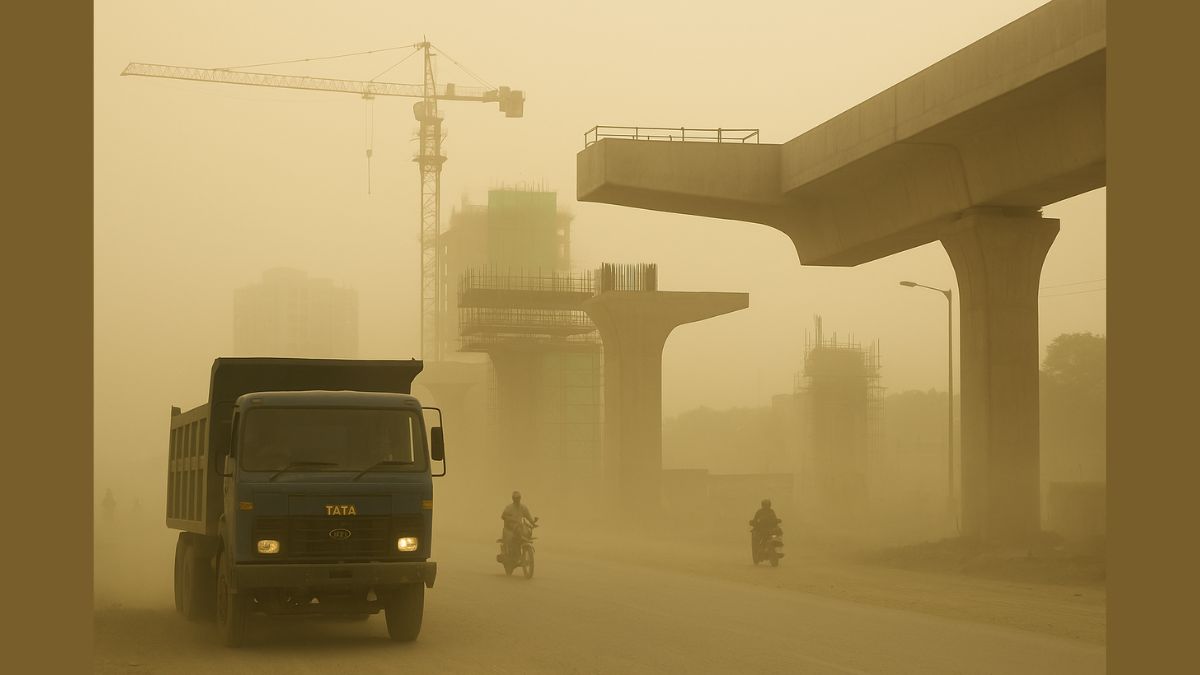
- Hinjewadi Faces Rising Pollution: Construction and Metro Work Make Air Quality Worse
- Air Quality in Hinjewadi and Wakad Drops Sharply
- Construction Work Covering Hinjewadi in Dust
- Metro Work and Heavy Traffic Add to Pollution
- Fireworks After Diwali Made It Worse
- Residents Demand Action from Authorities
- Hinjewadi IT Employees Struggle Daily
- Officials Admit Situation is Serious
- Medical Experts Warn of Health Problems
- Hinjewadi’s Growth Comes with a Price
- Civic Groups and Environmentalists Raise Alarm
- Temporary Repairs, No Long-Term Solutions
- The Way Forward for Hinjewadi
- FAQs
Hinjewadi Faces Rising Pollution: Construction and Metro Work Make Air Quality Worse
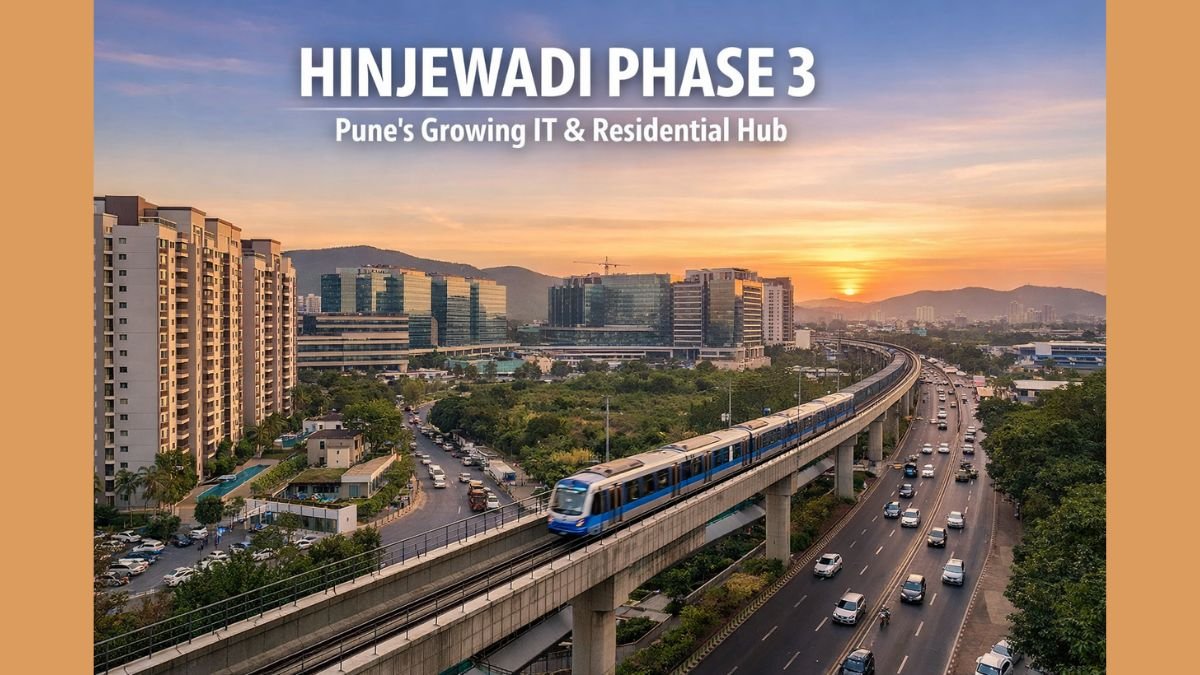
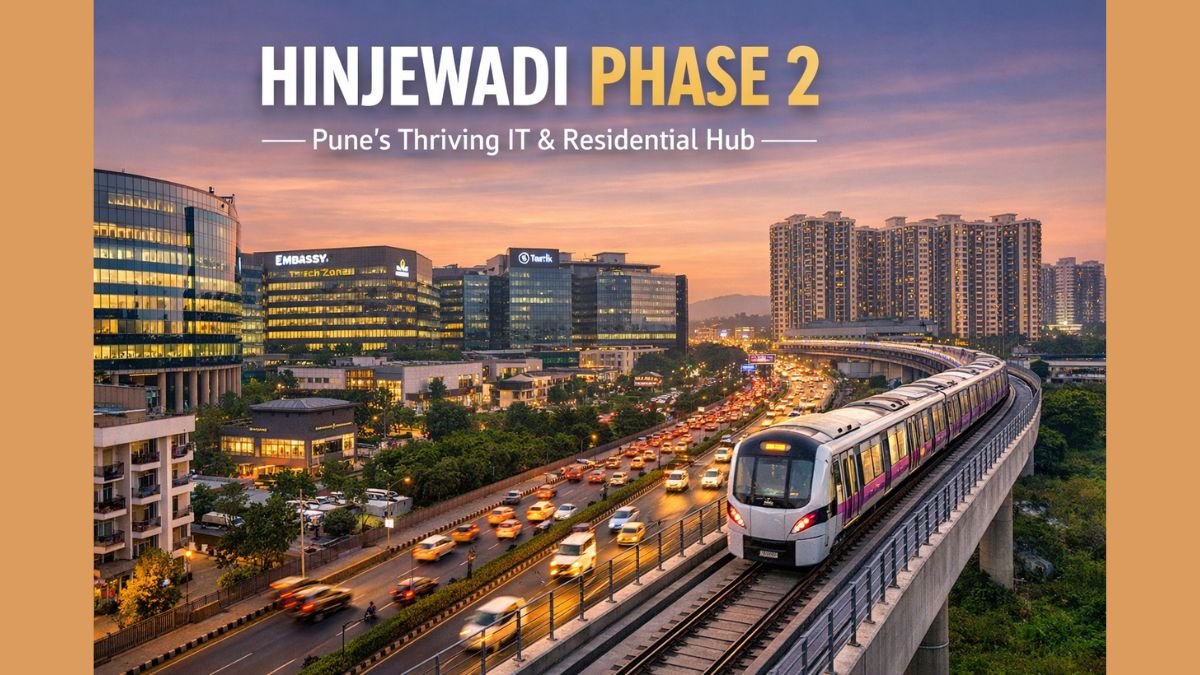
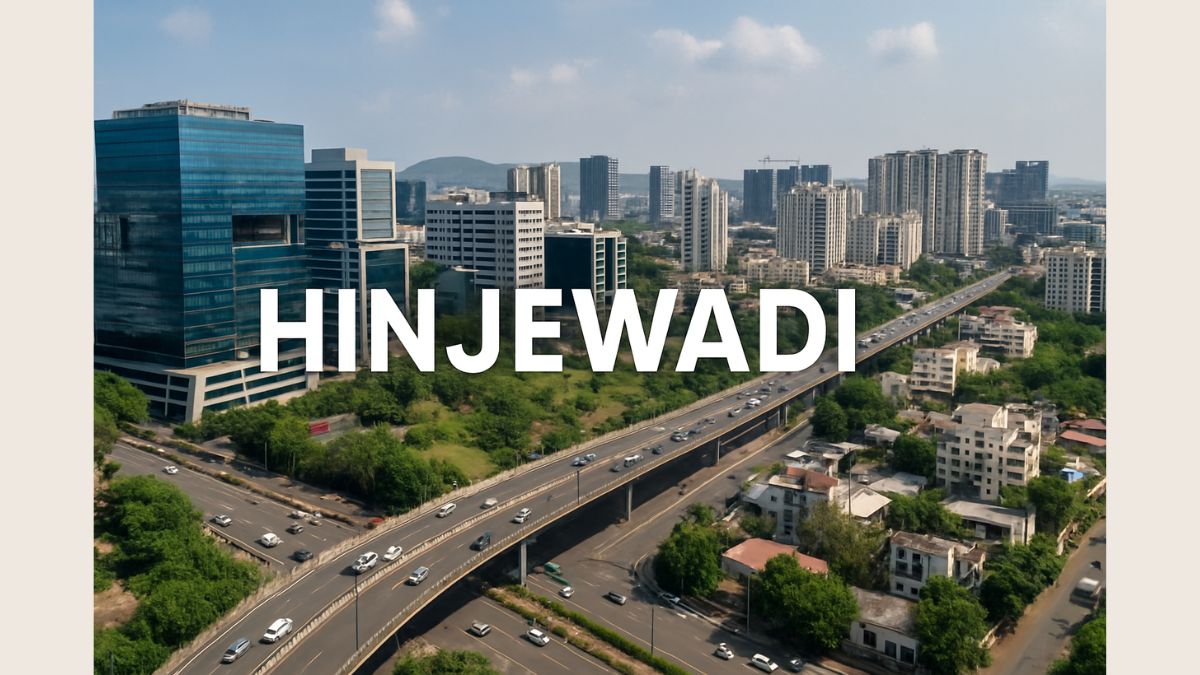
Hinjewadi, one of Pune’s biggest IT hubs, is struggling with poor air quality as dust and pollution rise across the area. The combination of metro construction, road work, and large-scale real estate projects has turned the region into one of the most polluted parts of Pune.
Nearby areas like Wakad, Bhumkar Chowk, and Baner are also facing the same issue, especially after Diwali, when fireworks added to the smog. Local residents, IT professionals, and commuters say breathing clean air in Hinjewadi is becoming harder every day.
Air Quality in Hinjewadi and Wakad Drops Sharply
According to the Central Pollution Control Board (CPCB), air quality in several Pune suburbs has reached worrying levels. Even before Diwali celebrations began, the Air Quality Index (AQI) in Hinjewadi and nearby areas had already crossed the safe limit.
| Area | Recorded AQI | Category |
|---|---|---|
| Bhumkar Chowk (Wakad) | 315 | Very Poor |
| Hinjewadi Infotech Park | 196 | Poor |
| Bhosari | 342 | Very Poor |
| Nigdi | 341 | Very Poor |
| Shivajinagar | 244 | Poor |
| Paashan | 121 | Moderate |
| Hadapsar | 88 | Satisfactory |
The data shows how pollution levels have jumped across Pune. Areas near construction sites and busy roads, such as Hinjewadi and Wakad, are among the most affected.
Construction Work Covering Hinjewadi in Dust
Ongoing metro and residential construction in Hinjewadi has become a major reason for rising dust levels. With multiple cranes, concrete plants, and heavy trucks moving around, the air is filled with fine dust particles that stay suspended for long hours.
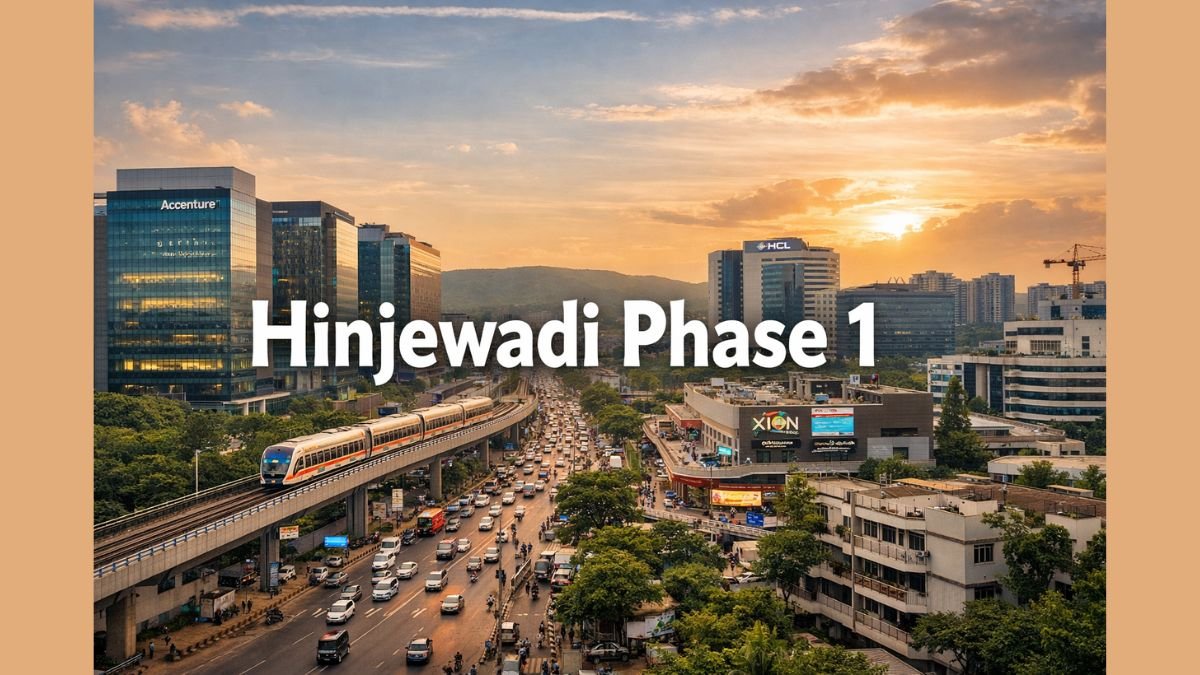
Residents say dust collects on cars, balconies, and even inside their homes. Those who live near Phase 1 and Phase 2 of Hinjewadi IT Park often wake up to a thin layer of dust over everything.
Construction of Metro Line 3, which connects Hinjewadi to Shivajinagar, has added to the problem. Workers often leave soil uncovered, and trucks carrying cement or sand do not use protective sheets. The Ready-Mix Concrete (RMC) plants operating in the area also release moisture and fine particles that worsen visibility and air quality.
Metro Work and Heavy Traffic Add to Pollution
The metro project in Hinjewadi is one of the largest infrastructure works in Pune. While it promises better public transport in the future, the ongoing construction is now one of the biggest sources of dust pollution in the area.
Every day, thousands of vehicles—buses, IT company cabs, and private cars—move through narrow, dug-up roads. During peak hours, traffic barely moves. Engines running for long periods release smoke that mixes with the dust, making the air even harder to breathe.
Commuters and IT professionals say the situation is worst during the evening, when heavy vehicles carrying cement or debris move through the same routes. Many residents have started wearing masks again, not because of COVID, but to protect themselves from dust and smog.
Fireworks After Diwali Made It Worse
Just as the city was dealing with the effects of construction and traffic, Diwali fireworks made the air quality worse. During the festival week, pollution levels rose sharply in Hinjewadi and Wakad.
The CPCB recorded AQI levels above 300 in many areas, which is categorized as “very poor.”
Even though the air improved slightly after the festival, it still remained in the “poor” range for several days. Experts said the mix of smoke, cold air, and dust trapped near the ground made the pollution linger longer than usual.
Residents Demand Action from Authorities
Residents and IT employees are now demanding that the Maharashtra Pollution Control Board (MPCB), Pune Metropolitan Region Development Authority (PMRDA), and MIDC take strong action against builders and contractors who violate dust-control rules.
Locals have urged the authorities to:
- Cover trucks carrying sand, cement, or soil.
- Regularly sprinkle water on construction sites and dusty roads.
- Install dust barriers at major work zones.
- Restrict the movement of heavy vehicles during peak office hours.
Many feel that while development is important, it should not come at the cost of health. Residents say they have been raising the issue for months, but little has changed on the ground.
Hinjewadi IT Employees Struggle Daily
For thousands of IT employees working in Rajiv Gandhi Infotech Park, life has become tougher. Apart from long traffic jams, now they also have to deal with polluted air and dusty roads. Many say they feel irritation in their eyes and throat after spending just a few hours outdoors.
The monsoon made things worse earlier this year. Waterlogging and muddy roads added to the chaos, and even after the rains stopped, construction debris and dust were left scattered everywhere.
Employees traveling daily from Wakad, Baner, and Balewadi complain that road repairs are either incomplete or temporary, and the dust from these sites spreads across the entire stretch.
Officials Admit Situation is Serious
Municipal and pollution control officials have admitted that the situation in Hinjewadi and nearby areas is concerning. They say the main causes of poor air are:
- Uncontrolled construction dust
- Emissions from vehicles
- Industrial and crusher plant activity
- Burning of waste in open areas
The local authorities have issued warnings to some construction companies and RMC plants for violating pollution control norms. However, citizens believe these actions are not enough, and strict monitoring should be done daily.
An official from MPCB said teams are conducting spot inspections, but the scale of construction in Hinjewadi and Wakad is so large that enforcement takes time.
Medical Experts Warn of Health Problems
Doctors in Pune have raised concerns about the long-term effects of poor air quality on residents.
According to health experts, continuous exposure to polluted air can lead to:
- Respiratory problems like asthma and bronchitis
- Allergies and throat irritation
- Eye infections
- Headaches and fatigue
Children and elderly people are most at risk.
Doctors recommend wearing masks outdoors, keeping windows closed during peak traffic hours, and using air purifiers indoors if possible.
Hinjewadi’s Growth Comes with a Price
Hinjewadi has seen tremendous growth in the past decade. What started as a planned IT hub has now become a dense urban zone with thousands of offices, apartments, and malls. The rapid development, however, has put pressure on local infrastructure.
Roads are constantly dug up for new cables or pipelines. Metro pillars line the main roads, reducing space for vehicles. Construction waste is often dumped on the sides, creating dust clouds whenever vehicles pass by.
While the government aims to improve connectivity and attract investment, residents believe there needs to be a stronger balance between development and the environment.
Civic Groups and Environmentalists Raise Alarm
Environmental organizations and citizen groups have begun spreading awareness about the pollution crisis in Hinjewadi.
Some groups have started local cleanliness drives and planted trees near the metro construction sites to reduce dust. Others have filed complaints to the MPCB about open waste burning and uncovered construction materials.
Environmental experts say the government must set strict limits on dust and emission levels in rapidly developing areas like Hinjewadi. They suggest using mechanized road sweepers, enforcing no-construction days during high pollution periods, and installing real-time air quality monitors in IT zones.
Temporary Repairs, No Long-Term Solutions
Despite multiple inspections and promises from local leaders, no major improvement has been seen.
Officials often carry out small repair works like filling potholes or spraying water on dusty roads, but these are only temporary fixes. Once the water dries or the traffic increases, the dust returns.
Residents say that after every complaint, there are short-term actions, but no permanent solution is implemented. They feel the administration is more focused on patchwork than actual progress.
The Way Forward for Hinjewadi
Experts say controlling air pollution in Hinjewadi will require combined efforts from both the government and citizens. Authorities need to strictly monitor metro construction and ensure builders follow safety rules.
Steps that can help improve air quality include:
- Regular cleaning and watering of major roads
- Green cover along roadsides to trap dust
- Limiting construction during dry, windy conditions
- Encouraging public transport and reducing private vehicle use
The metro project, once complete, is expected to reduce traffic and pollution by offering a cleaner mode of travel. But until then, citizens must continue to deal with the side effects of fast urban development.

FAQs
Q1. Why is the air quality in Hinjewadi getting worse?
Because of continuous metro construction, heavy traffic, and dust from building sites, air quality in Hinjewadi has dropped sharply.
Q2. What is the current AQI level in Hinjewadi?
It often stays between 180 and 250, which falls in the “poor” category, and sometimes crosses 300 during festivals or heavy construction activity.
Q3. How can residents protect themselves from pollution?
People should wear masks when outdoors, keep doors and windows closed during peak hours, and avoid outdoor exercise in the morning or evening.
Q4. Which areas near Hinjewadi are also affected?
Wakad, Bhumkar Chowk, Baner, and parts of Pimpri-Chinchwad are facing similar dust and smog problems.
Q5. What steps can authorities take to reduce pollution?
Strictly cover construction sites, monitor vehicle emissions, plant more trees, and restrict heavy trucks during busy hours.
Hinjewadi’s rapid development has brought jobs and growth, but also serious pollution and health challenges. The area now needs urgent action to control dust, manage traffic, and enforce environmental rules.
If authorities and citizens work together, Hinjewadi can again become a cleaner, healthier, and more livable place for the thousands who call it home.
To check more about Hinjewadi, Click Here.

I’m Priya Agarwal, and I write about everything related to Hinjewadi! From the latest news and events to hidden spots and local businesses, my articles are all about helping you explore and enjoy this vibrant area. Whether you live here or are just visiting, I aim to bring you useful, interesting, and up-to-date information about Hinjewadi. Stay tuned for more!