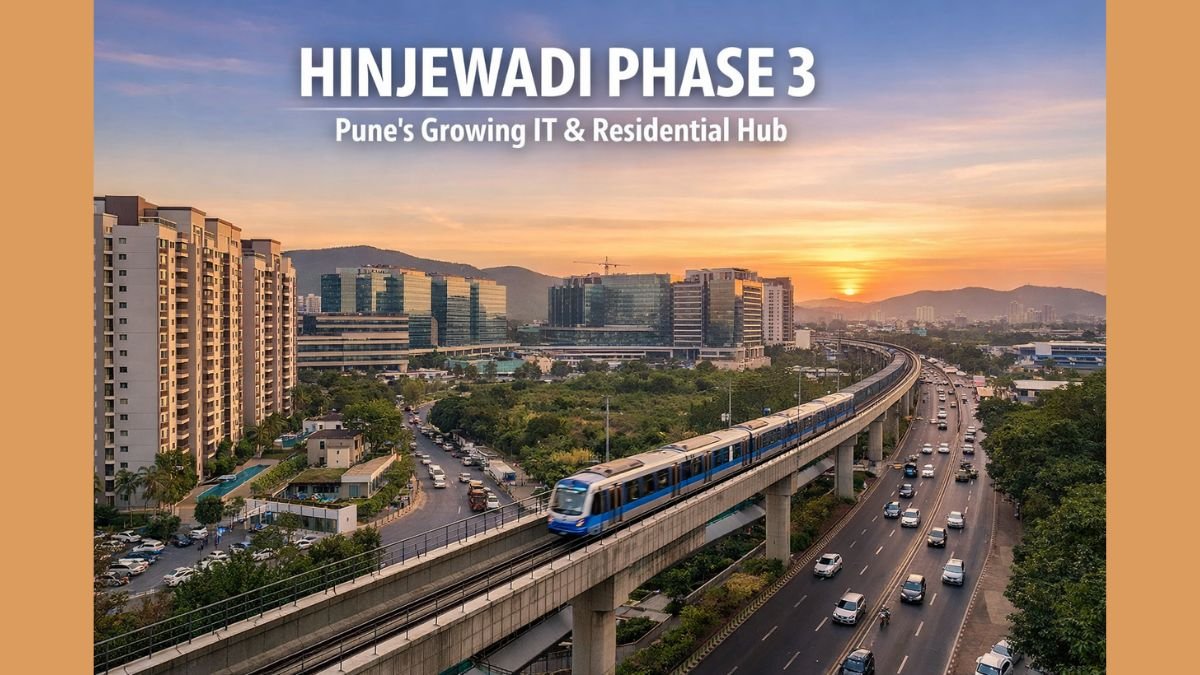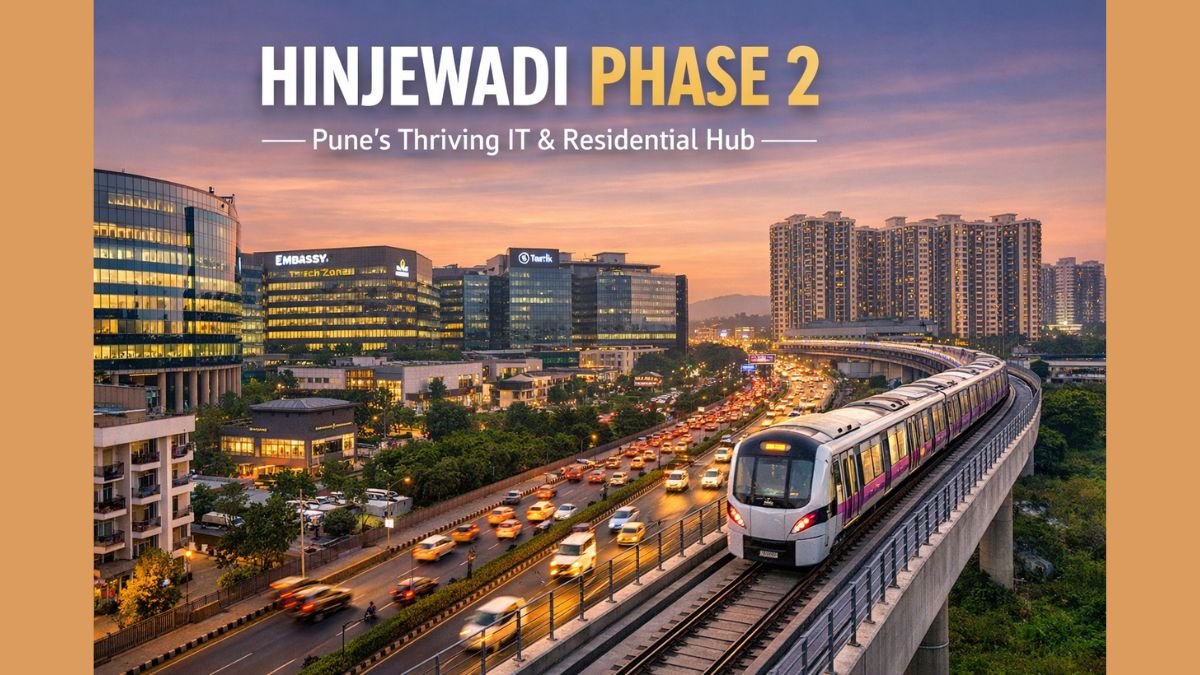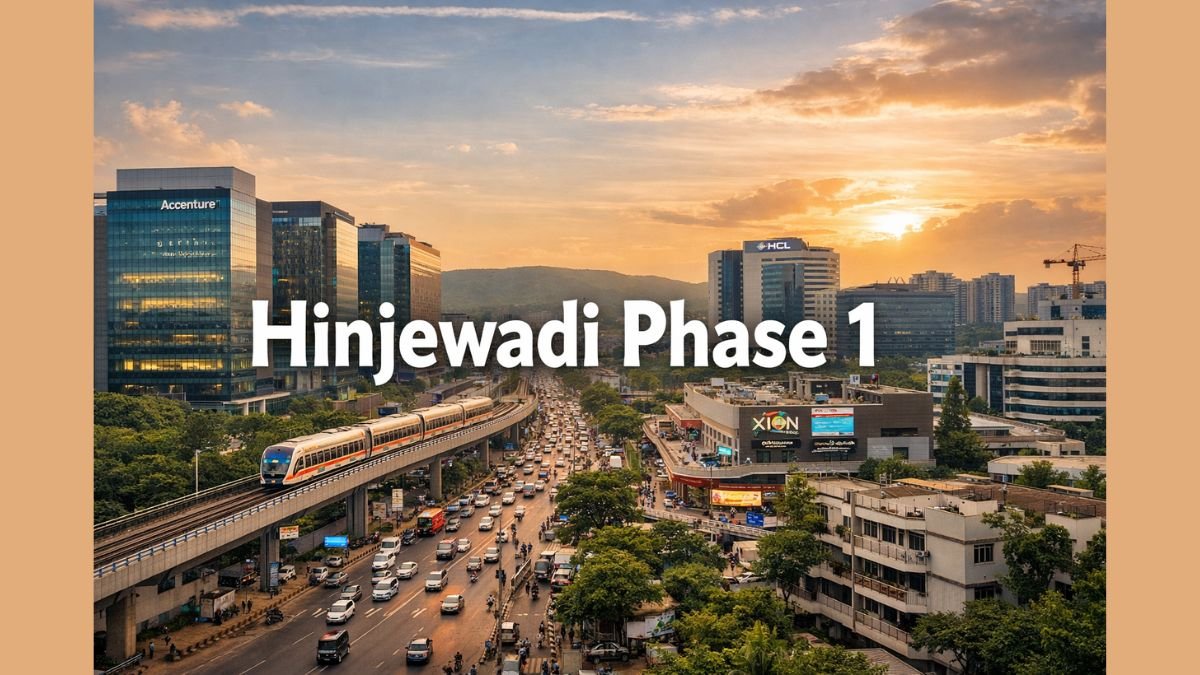
- Pune Metro and Hinjewadi Metro: The Long Wait for Completion
- Project Overview: Pune Metro and Hinjewadi Metro Line
- Why the Pune Metro Project Matters
- Reasons Behind the Delay in Hinjewadi Metro Work
- Progress So Far on the Pune Metro Line
- Expected Benefits of the Hinjewadi Metro Line
- How the Hinjewadi Metro Fits into Pune’s Larger Metro Network
- Challenges Faced During the Project
- Public Expectation and the Road Ahead
- Frequently Asked Questions (FAQs)
- Related Posts
Pune Metro and Hinjewadi Metro: The Long Wait for Completion
The Pune Metro and its Hinjewadi Metro route are among the most talked-about infrastructure projects in Pune. These metro lines are designed to make daily travel faster and reduce traffic issues that have been troubling commuters for years. While much of the work is already complete, a few delays have pushed the final launch date further, and it now looks like the project might not be ready before the end of 2025.
The Maan–Hinjewadi to Shivajinagar Metro line is one of the most ambitious projects under the Pune Metropolitan Region Development Authority (PMRDA). It is also the first metro line in Pune being developed under a public–private partnership model. Although the work has progressed at a good pace in recent months, about 9% of construction still remains incomplete. Because of this, the earlier target of starting operations by December 2025 now seems difficult to achieve.
Project Overview: Pune Metro and Hinjewadi Metro Line
According to information shared by PMRDA, more than 91% of the work on the Hinjewadi to Shivajinagar metro line is already completed. This includes bridge construction, laying of metro tracks, and the structural work of the stations. The project officially began on November 25, 2021, and the first pillar was completed in 2022. The total length of this metro corridor is 23.3 kilometers, and it will include 23 stations along the route.
The Hinjewadi Metro line aims to connect one of Pune’s busiest IT hubs — Hinjewadi IT Park — with the heart of the city at Shivajinagar. This connection will allow thousands of IT employees and regular commuters to travel without the daily struggle of road traffic. The project cost is estimated to be ₹8,312 crore.
Basic Project Details
| Detail | Information |
|---|---|
| Project Name | Hinjewadi–Shivajinagar Metro (Pune Metro) |
| Total Length | 23.3 km |
| Number of Stations | 23 |
| Implementing Authority | PMRDA |
| Project Type | Public–Private Partnership (PPP) |
| Estimated Cost | ₹8,312 crore |
| Start Date | 25 November 2021 |
| Expected Completion | December 2025 (likely to be delayed) |
Two metro train sets have already arrived and test runs have been conducted at various speeds. Technical teams and central government officials have inspected these trials to ensure safety and performance standards.
Why the Pune Metro Project Matters
The Pune Metro, especially the Hinjewadi Metro corridor, is expected to bring major relief to thousands of people who face long hours of traffic jams daily. The Hinjewadi IT Park is home to many big companies and employs over two lakh professionals. Every morning and evening, roads connecting Hinjewadi to Wakad, Baner, Balewadi, and Shivajinagar remain packed with vehicles.
The new metro line will make travel much easier and more reliable for these commuters. It will also help reduce pollution caused by the large number of vehicles entering the IT park area every day. Once operational, it will be one of the biggest steps toward solving Pune’s urban transport challenges.
Reasons Behind the Delay in Hinjewadi Metro Work
Even though most of the construction work is complete, some administrative and procedural issues have caused the delay. The main reasons include land acquisition, space transfer, and permission approvals from multiple departments.
Initially, the project was expected to be completed by March 2025, but the timeline was later extended by a year. The delay forced PMRDA to issue notices to the contractor twice for slow progress. Only after these warnings did the pace of work improve. Still, looking at the remaining tasks, it seems difficult to meet the December 2025 deadline.
The Chief Minister’s Office also stepped in to review the situation. During a meeting in July, Chief Minister Devendra Fadnavis instructed all government departments involved to coordinate better. He also ordered the formation of a “single point authority” to oversee all project-related decisions and speed up work. The responsibility was given to the Divisional Commissioner, who now monitors progress regularly.
Progress So Far on the Pune Metro Line
Work on several major sections of the Pune Metro’s Hinjewadi route has already entered the final stage. The metro viaducts (elevated bridges) have been completed in most areas, and track laying is nearly finished. Station structures are visible across the route, giving residents a clear sign that the project is moving forward.
Test runs have also begun on shorter sections, using the metro train sets that arrived earlier. Technical checks are being conducted to ensure all safety systems, signaling, and braking features work smoothly before full-scale trials begin.
PMRDA has stated that after the remaining 9% work is finished, a detailed inspection will be conducted by the Commissioner of Metro Rail Safety (CMRS). Only after CMRS approval can the metro service start for public use.
Expected Benefits of the Hinjewadi Metro Line
Once the Hinjewadi Metro becomes operational, it will bring several direct and indirect benefits to the city and its people. Here are some of the key expected benefits:
- Reduced Traffic Congestion:
The biggest advantage will be smoother traffic between Hinjewadi and Shivajinagar. Fewer private vehicles on the road will mean less congestion and fewer accidents. - Time Savings for Commuters:
Daily travel time is expected to drop drastically. What currently takes over an hour by road could take just 30–35 minutes by metro. - Lower Pollution Levels:
With fewer vehicles running during peak hours, Pune will see improved air quality. - Better Connectivity:
The metro will connect IT employees, students, and residents from suburban areas directly to the city center. - Boost to Real Estate:
Areas near metro stations, especially around Maan, Hinjewadi, Wakad, and Balewadi, are likely to see growth in property demand.
How the Hinjewadi Metro Fits into Pune’s Larger Metro Network
The Pune Metro network already has other operational lines under MahaMetro, which connect important parts of the city. The Hinjewadi–Shivajinagar corridor, however, stands out because it connects the IT park to the central business district.
While other routes mainly serve residential and traditional business areas, this one focuses on Pune’s technology hub. It’s expected that once this line starts, it will handle one of the highest daily passenger volumes in the city’s metro network.
PMRDA and Tata Group, which are jointly managing the project under the PPP model, have stated that the focus is now on completing the pending civil works and starting trial runs for the full stretch by mid-2025.
Challenges Faced During the Project
Every large infrastructure project faces obstacles, and the Hinjewadi Metro was no exception. A few of the challenges include:
- Land acquisition delays due to pending approvals.
- Coordination issues among multiple government departments.
- Shifting of utilities like electric poles, pipelines, and cables.
- Financial adjustments and tender clarifications under the PPP model.
Despite these issues, project officials believe they can complete the work within the extended timeline.
Public Expectation and the Road Ahead
People in Pune, especially those working in Hinjewadi, are eagerly waiting for the Hinjewadi Metro to begin service. For years, traffic congestion has been one of the biggest problems in the area, and residents hope this metro line will finally bring relief.
Many citizens believe that once the Pune Metro network becomes fully functional, the city’s transport system will change completely. Better public transport means less dependency on private vehicles, cleaner air, and faster travel.
Even though the project deadline might extend beyond December 2025, the current progress shows that Pune is getting closer to a more organized and sustainable travel system.
Frequently Asked Questions (FAQs)
1. What is the Pune Metro?
The Pune Metro is a public transport system being developed to connect different parts of Pune city through fast and reliable metro trains.
2. What is the Hinjewadi Metro line?
The Hinjewadi Metro line is a 23.3 km corridor connecting Maan–Hinjewadi to Shivajinagar. It mainly serves IT professionals and daily commuters between the suburbs and city center.
3. Who is managing the Hinjewadi Metro project?
The Pune Metropolitan Region Development Authority (PMRDA) is managing the project under a public–private partnership with Tata Group.
4. When will the Hinjewadi Metro start?
Although the target date is December 2025, some delays mean it might extend into 2026.
5. How many stations will be on the Hinjewadi Metro route?
There will be 23 stations along the route, covering major residential, business, and IT zones.
The Pune Metro, especially the Hinjewadi Metro corridor, represents the city’s growing focus on sustainable and smart urban transport. It promises a future where people can commute safely, quickly, and comfortably without depending on cars or bikes.
Though the project has faced delays, the progress so far shows determination and steady work. Once completed, this metro line will not just connect Hinjewadi and Shivajinagar — it will connect people, jobs, and opportunities across Pune.
To check more about Hinjewadi, Click Here.

Hi, I’m Rohit Patil. I write about everything related to Hinjewadi – from local news and events to interesting spots and businesses. My goal is to share helpful and easy-to-read content for everyone who wants to know more about this vibrant area. Stay tuned for more!